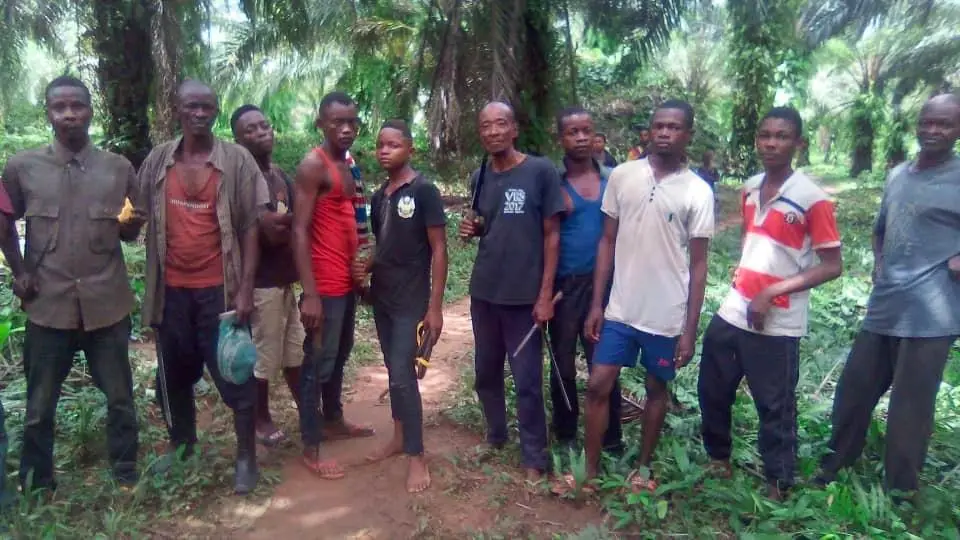
In the Basankusu district of the Democratic Republic of Congo, at the first cock crow each Saturday morning, women from Lolungu, Boyela and Wala villages wake up to prepare for a 15-kilometre walk to the CCP (Compagnie de Commerce et de Plantation) centre to sell their cassava. The cassava they sell has been harvested and dunked into water for around a week to remove the cyanide before it is ready for human consumption.
This cassava emits a detestable smell as it continuously leaks while being carried in a colander basket. For a long time, it has been the only source of income for these women. Hence, they must carry this foul-smelling substance for those fifteen kilometres, while it drips down their backs, thighs, and feet.
"I remember walking with my own mother to sell cassava, and I now realise how humiliating it was."
— Rene Lingofe
When the women arrive at CCP, they are met by a frenzy of other women buying cassava. Once they have sold their load, it is time for another 15-kilometre walk back to their villages. Each woman's sale earns her less than 10 dollars. With no other source of income, this tradition has been going on since CCP started more than a century ago.
Women deserve dignified work
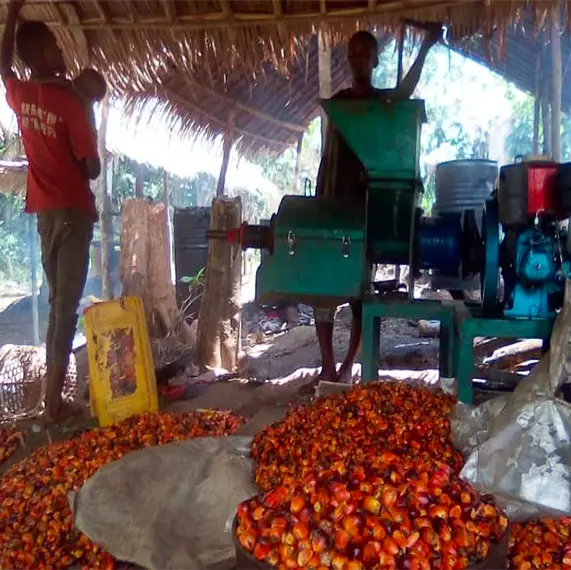
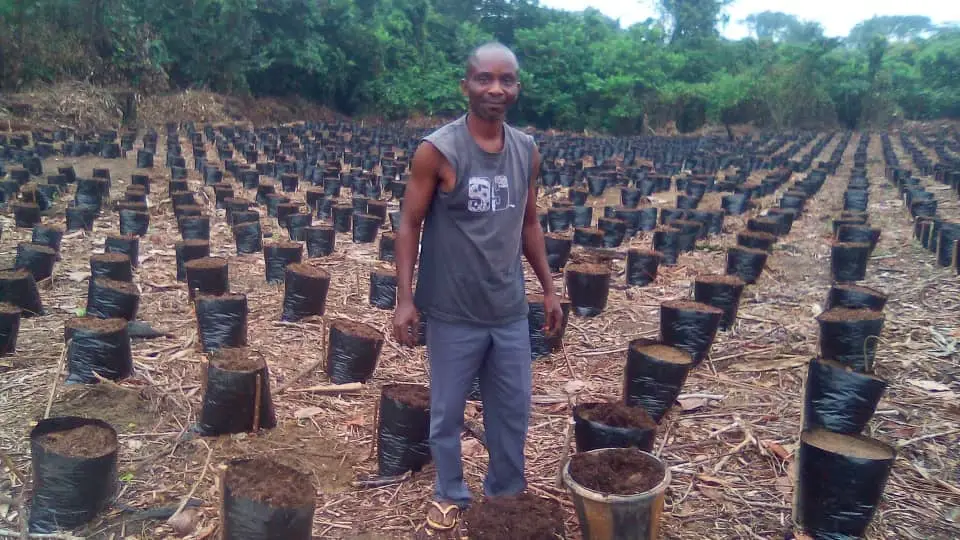
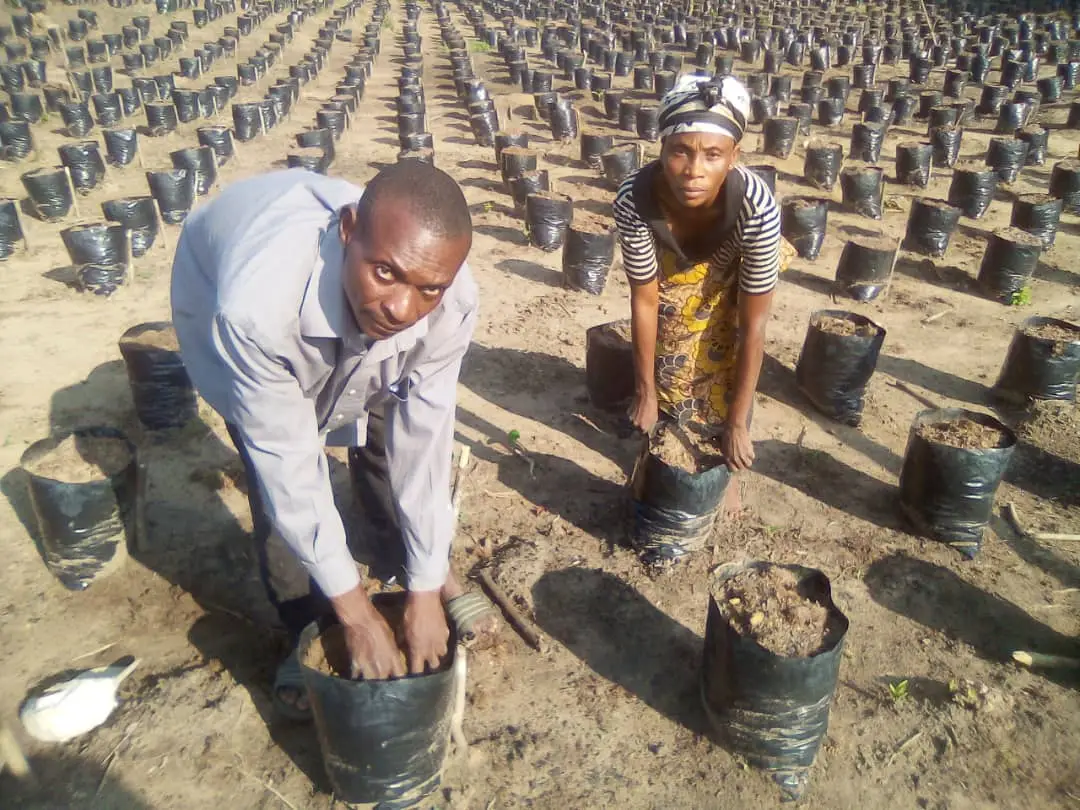
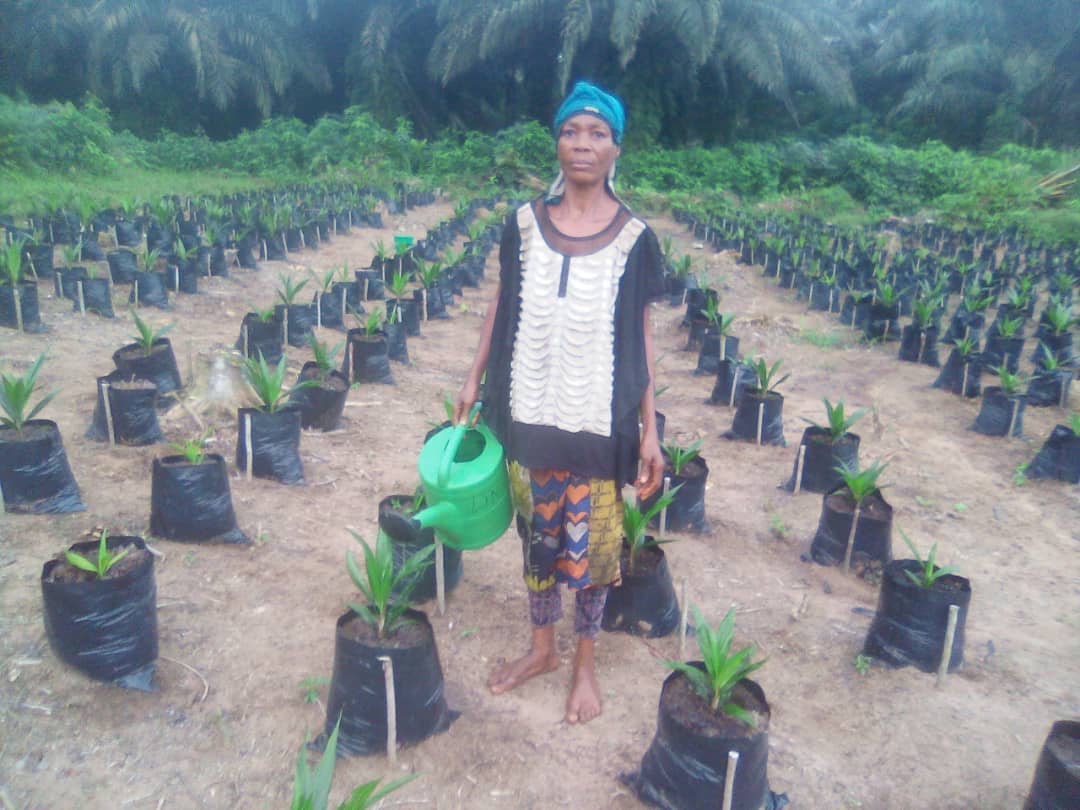
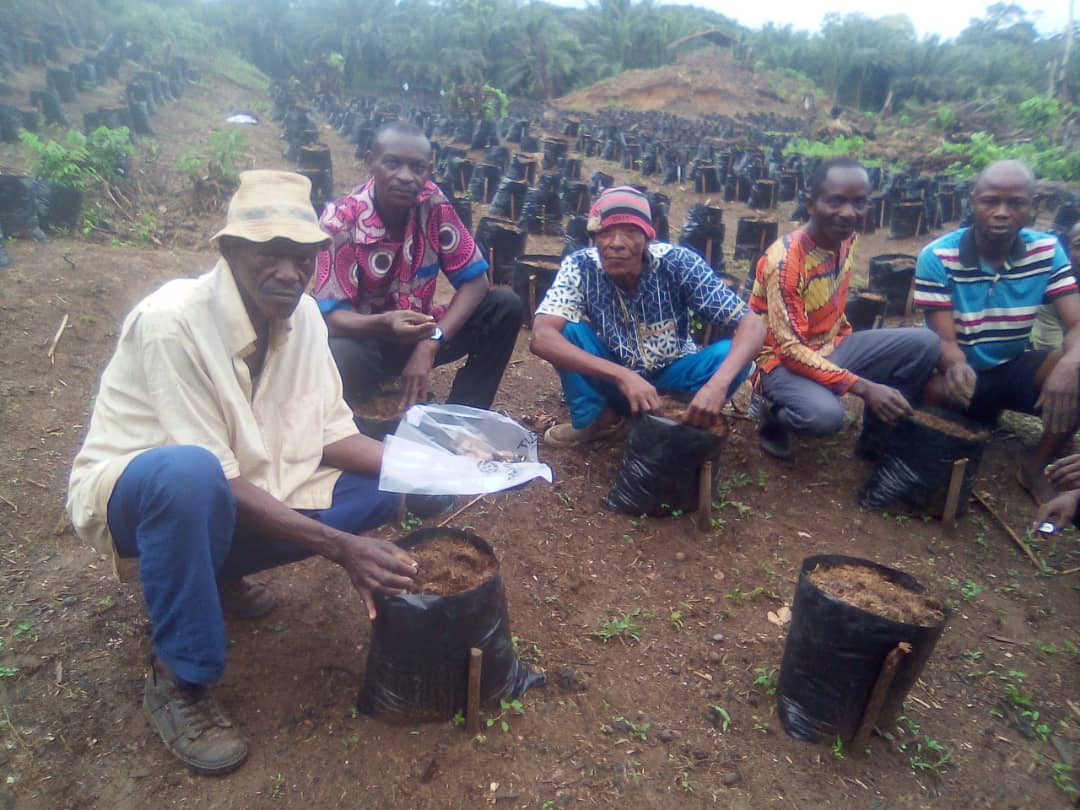
In 2021, the Lingofe Project started with a vision to change the lives of people around these villages. As a matter of principle, we dedicated sixty percent of our workers' capacity in our palm nurseries to women, and we pay each person a salary of eighty dollars a month — in Congo, more than half the salary of a qualified teacher.
The palm nursery needs to be watered morning and evening. This left many women with time to work in their farms or forage in the forest, then return home after completing their nursery work. As one woman described it, this was a dignified liberation from the fifteen-kilometre walk carrying stinking cassava.
With more cash in their hands, many women are now able to sponsor their children's education and send them to school far away from the villages, knowing the children will be well supported financially. One woman saved enough to buy a bicycle — which she uses to cycle once a month to take food supplies to her children studying ninety kilometres away.
A problem solved — another arises
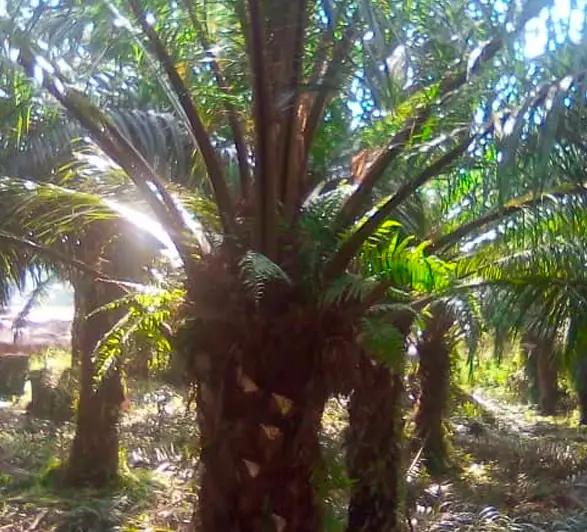
As our project starts bearing visible social benefits, we have realised that expanding our activities will benefit more people. Palm nursery work is temporary — as the trees are planted, this work ceases. We are working on a plan to introduce a pig and chicken farm run by women, adding a permanent source of income and reducing dangerous bush meat consumption.
Training is all she needs
We believe that with small, consistent changes like these, many women and villagers will be liberated from humiliating chores and lasting hardship — while gaining a reliable source of income to support the next generation.
Help us create more opportunities like this for women in Basankusu, DRC.
Support the Project